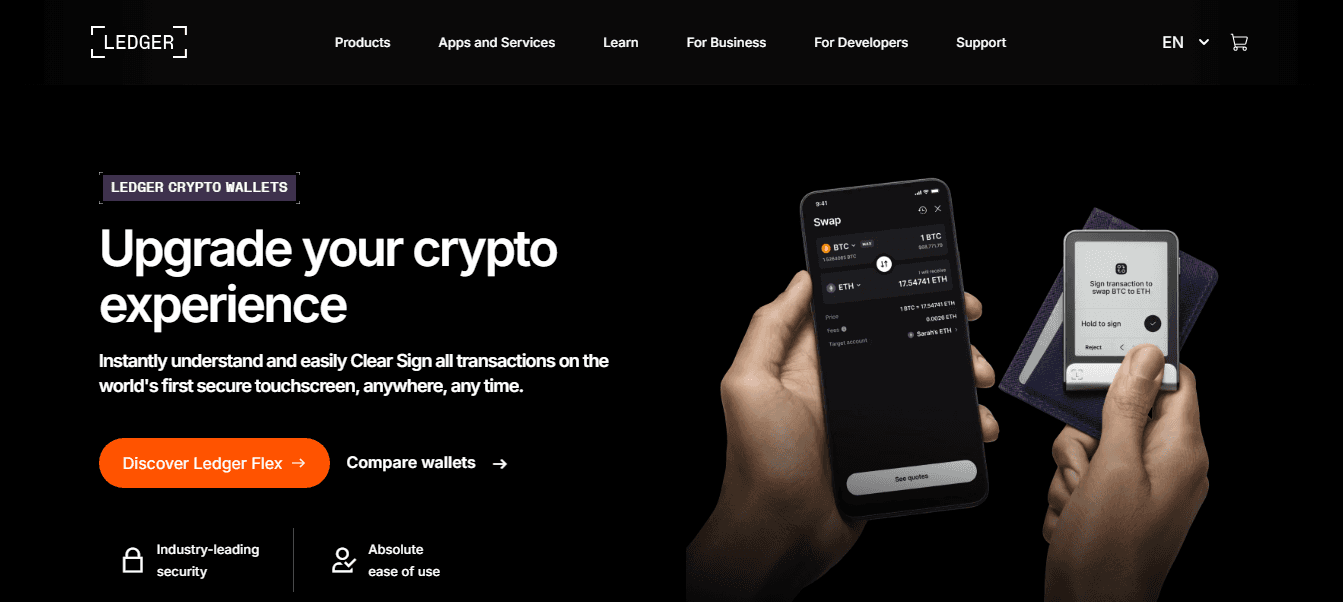
Ledger Live Login: A Complete Guide to Secure Access and Account Management
Ledger Live is the official companion application designed to work with Ledger hardware wallets. It allows users to securely manage cryptocurrencies, monitor portfolio performance, install applications, and perform transactions while maintaining full control over private keys. Understanding the Ledger Live login process is essential for anyone who wants to safely access and manage digital assets without exposing sensitive information.
Unlike traditional financial platforms, Ledger Live does not rely on usernames, passwords, or centralized authentication systems. Instead, security is based on hardware wallet verification and user-controlled access. This article provides a detailed explanation of how Ledger Live login works, why it is different from conventional logins, and how users can ensure a secure experience every time they access the application.
What Is Ledger Live?
Ledger Live is a desktop and mobile application developed to interface directly with Ledger hardware wallets. It acts as a dashboard where users can view balances, send and receive cryptocurrency, manage applications, and update firmware. The application supports a wide range of digital assets and provides real-time insights into portfolio performance.
What sets Ledger Live apart is its emphasis on self-custody. Private keys are never stored in the application or on connected devices. Instead, they remain securely stored within the hardware wallet’s secure element, making Ledger Live a trusted environment for managing crypto assets.
Understanding the Ledger Live Login Concept
The term “login” in Ledger Live does not function like a traditional login system. There is no account creation process involving email addresses or passwords. Instead, access to Ledger Live is based on local device security and physical confirmation through a Ledger hardware wallet.
When users open Ledger Live, they are essentially unlocking the interface, not logging into an online account. The actual authorization for sensitive actions, such as sending funds or installing applications, requires confirmation on the connected Ledger device.
This approach eliminates the risks associated with password leaks, phishing attacks, and centralized data breaches.
How Ledger Live Login Works
Application Access
Once Ledger Live is installed on a desktop or mobile device, users can open the application directly. On supported platforms, the app may prompt for a local security method such as a password, PIN, or biometric authentication. This step protects the application interface itself and prevents unauthorized local access.
Hardware Wallet Verification
To access accounts and perform transactions, users must connect their Ledger hardware wallet via USB or Bluetooth, depending on the device. The wallet must be unlocked using its PIN code before Ledger Live can communicate with it.
Device Confirmation
All critical actions require physical confirmation on the Ledger device. Even if someone gains access to the Ledger Live app, they cannot move funds without approving the transaction on the hardware wallet.
This layered login structure ensures that control always remains with the user.
Setting Up Ledger Live for First-Time Login
For new users, the initial setup process establishes the foundation for secure login and access.
The user begins by installing Ledger Live on a supported device. During setup, the application guides the user through connecting a Ledger hardware wallet, initializing it, and verifying authenticity. At this stage, users create a PIN for the hardware wallet and securely store their recovery phrase offline.
Once setup is complete, Ledger Live remembers the wallet configuration, allowing future access without repeating the full setup process. However, the hardware wallet must always be connected and unlocked for account access.
Ledger Live Login on Desktop Devices
On desktop platforms, Ledger Live provides a robust interface designed for detailed portfolio management.
When launching the application, users may be prompted to enter an app-specific password if they enabled this feature during setup. This optional password adds an extra layer of protection against unauthorized local access.
After unlocking the app, users connect their Ledger hardware wallet and enter the device PIN. Once authenticated, Ledger Live syncs account data and displays balances and transaction history.
The desktop login process is ideal for users who prefer a larger screen and advanced management features.
Ledger Live Login on Mobile Devices
Ledger Live mobile applications are available for smartphones and tablets, offering convenience without compromising security.
On mobile devices, login may involve biometric authentication such as fingerprint or facial recognition, depending on device capabilities. This protects the app from unauthorized access while maintaining ease of use.
For supported Ledger devices, Bluetooth connectivity allows wireless interaction. Users must still unlock their hardware wallet and confirm transactions directly on the device, ensuring full security even on mobile platforms.
Mobile login is especially useful for monitoring portfolios and performing transactions on the go.
Security Features That Protect Ledger Live Login
Ledger Live incorporates multiple security mechanisms to safeguard user access:
No Centralized Accounts: There is no central server storing login credentials.
Hardware-Based Authorization: Private keys never leave the hardware wallet.
PIN Protection: Ledger devices require a PIN to unlock.
Local App Security: Optional passwords and biometric authentication protect the application.
Transaction Confirmation: Every transaction requires physical approval on the device.
These features work together to create a login system that is resistant to hacking and unauthorized access.
Common Ledger Live Login Issues and Solutions
Hardware Wallet Not Recognized
If Ledger Live does not detect the connected device, users should ensure that the device is unlocked, the correct cable or connection method is used, and the required applications are installed on the hardware wallet.
Incorrect PIN Attempts
Entering the wrong PIN multiple times can reset the hardware wallet. Users should always enter the PIN carefully and keep their recovery phrase secure in case restoration is required.
App Access Problems
If Ledger Live fails to open or prompts repeated authentication requests, restarting the application or device often resolves the issue. Keeping the app updated also helps prevent compatibility problems.
Best Practices for Safe Ledger Live Login
To maintain the highest level of security, users should follow best practices when accessing Ledger Live:
Always download the application from official sources.
Enable app-level security features such as passwords or biometrics.
Never share the hardware wallet PIN or recovery phrase.
Avoid using Ledger Live on public or shared computers.
Keep the operating system and Ledger Live application updated.
Following these practices significantly reduces the risk of unauthorized access.
Ledger Live Login and Privacy
Ledger Live is designed with user privacy in mind. Since there are no online accounts or personal data tied to login credentials, users retain full anonymity and control. Portfolio data is accessed locally and synchronized only when necessary to retrieve blockchain information.
This privacy-focused design ensures that users remain in control of their financial data at all times.
Why Ledger Live Login Is Different From Traditional Platforms
Traditional financial applications rely on usernames, passwords, and centralized servers. Ledger Live eliminates these vulnerabilities by using hardware-based authentication and local security controls.
The absence of a traditional login system reduces the attack surface and empowers users with full ownership of their digital assets. This approach aligns with the core principles of decentralization and self-custody.
Conclusion
Ledger Live login is built on a fundamentally different security model than conventional applications. Instead of relying on passwords and online accounts, it uses hardware wallet authentication, local app security, and physical confirmation to protect user assets.
By understanding how Ledger Live login works and following recommended security practices, users can confidently manage their cryptocurrency holdings without exposing private keys or sensitive data. This secure, user-controlled access model makes Ledger Live an essential tool for anyone committed to safe and responsible digital asset management.